braised mahi-mahi with shellfish


braised mahi-mahi with shellfish

One of my favorite dishes of all time is zuppa di pesce.  If I see it on a menu, 9 times out of 10, I am ordering it – and ordering it extra spicy.  Nothing compares to soaking up all that garlicky-seafood-infused broth with crusty bread.  The funny thing is, I have never tried to make a braised seafood recipe myself.  I guess I envisioned the fish breaking into a million unsatisfying pieces, and the shellfish coming out rubbery.  But it’s the season to braise, and after seeing several recipes about stews and braised seafood dishes recently, I wanted to give it a shot.  However, the night I chose to make it, I got shot down.  My husband wanted something quicker and less involved than the cioppino recipe I had selected…something about the 45 ingredients or some nonsense.  But even though I am always up for a cooking challenge, ultimately he was right.  We had two soccer games to take the kids to that day, as well as a birthday party, so it instantly became turkey burger night.  The following weekend, he suggested that we invite my seafood-loving girlfriend over, and make ‘whatever that recipe was’.  We exchanged smiles, and two texts and 30 seconds later, my girlfriend had already started plotting what she could bring.  The night was set.  So I set out to make my shopping list.
After looking at all my various recipes, I took to the internet to find one that would be a little easier to prepare, so more time could be spent socializing (aka wine-time).  I came across this recipe from A Healthy Life for Me.  It looked amazing.  I chose to add some garlic, cherry tomatoes, white wine and lemon to it and increased the quantities because of my party of six.   After seeing the pile of shells and empty bowls at the end of the night, I decided that we had made a successful dish.

braised mahi-mahi and shellfish with leeks and mushrooms:

3  TB extra virgin olive oil
1 1/2  sticks butter (3/4 cup)
4  large garlic cloves, minced
3 1/2  oz. pkg fresh shiitake mushrooms, sliced
3  large leeks, halved and thinly sliced  – white and light green parts only
kosher salt and black pepper
1  cup dry white wine
6  cups lower-salt chicken broth
6  mahi-mahi filets, skinned
1  lb. bag of little neck clams, scrubbed
1  lb. bag of mussels, scrubbed
1  pint grape tomatoes, halved
crushed red pepper
1  lemon, zested, then sliced into rounds
1/2  cup flat leaf parsley, chopped
crushed red pepper

leeksshiitake mushroom caps

get started on the braised goodness:

Prepare the clams by gently emptying them into a large colander.  Under running water, use a stiff bristled brush to scrub them in order to remove grit on the shells.  This process takes about 3-4 minutes but it’s worth it so that you don’t bite into sand later.  Scoop – don’t pour – clams into a clean bowl and cover with cold water and a 1/4 cup of kosher salt.  I have never had a problem with this method, however you can find other methods online that say to just place the clams in a bowl and cover with damp paper towels, and place in the refrigerator until you are ready to clean and use.

Prepare the mussels by placing them on ice in a bowl in your refrigerator until you are ready to clean and use.

cleaned leekssliced shiitake mushrooms

In a large enameled cast iron pot, heat up the olive oil over medium heat.  Add in the butter and melt until bubbly, but not brown.  Add garlic, mushrooms and leeks.  Season with salt and pepper.  Cook until vegetables are softened, about 8 minutes.  Add the wine cook for 1 minute.  Add broth and increase the heat to medium high, and bring to a boil.

vegetable saute

Season the mahi-mahi on both sides with salt and pepper.  Nestle the mahi-mahi into the broth.  When adding the clams, remove them from the bowl with a slotted spoon and into the broth.  Do not pour clams into a colander – you risk covering the clams with the grit that was dispensed from inside the clam shells which will be at the bottom of the bowl.  Finally add the mussels, and bring the broth back up to a boil.  Add grape tomatoes and stir gently.  Cover tightly with a lid and reduce the heat to low.  Cook for 8 minutes or until the fish is just cooked through and opaque.  If there are clams and mussels that have not opened, remove the fish and continue cooking the shellfish another 2-3 minutes.   Discard any shellfish that have not opened.  With a slotted spoon, remove all the fish, shellfish from the pot and into a serving bowl or dish.  Pour vegetables and broth over the fish and add the lemon zest.  Garnish with crushed red pepper, lemon slices and fresh parsley.

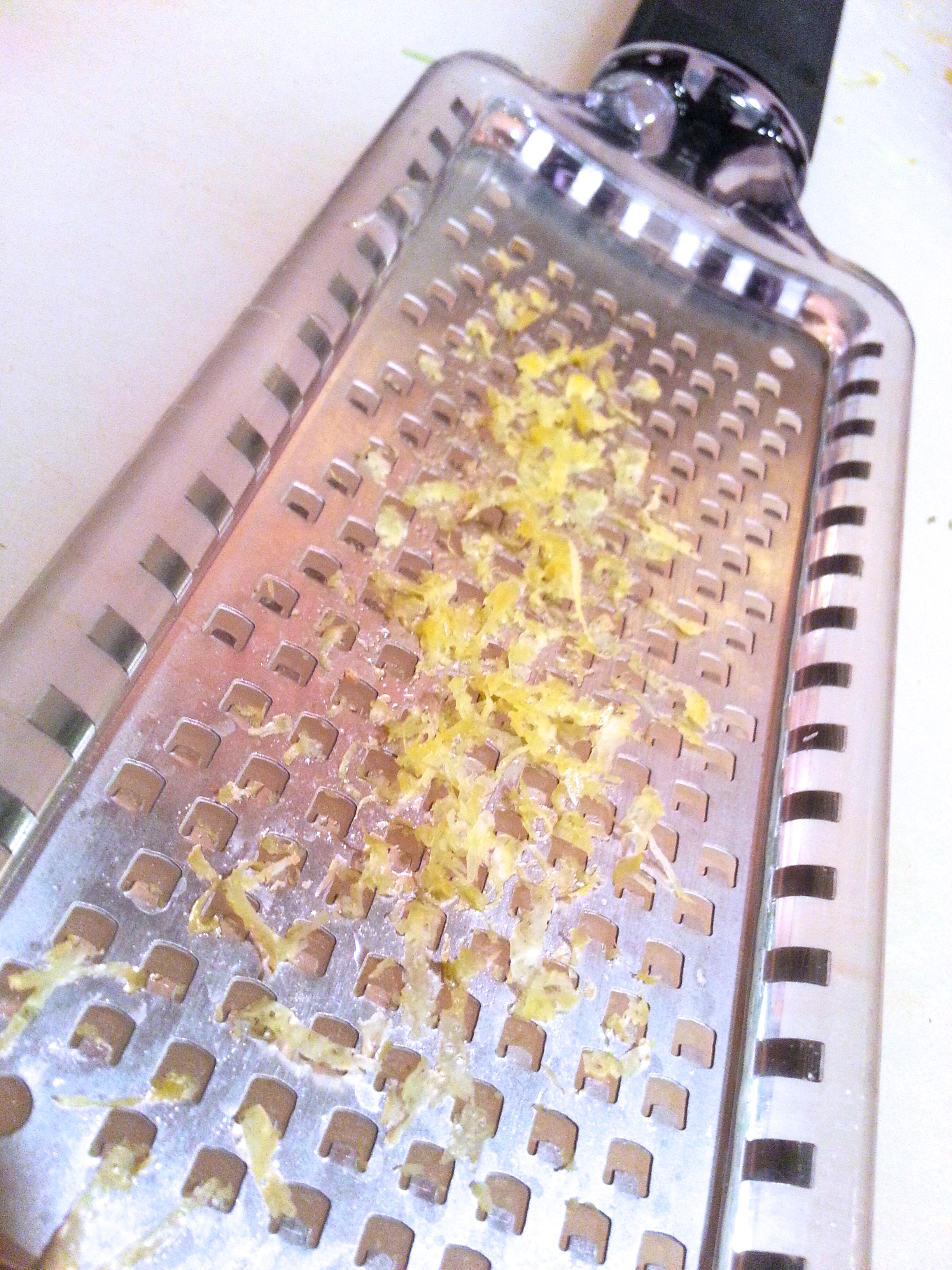
zested lemonlemon zest

note: you can plate this individually or serve family style with pasta – serves 6-8 hungry people.

family style

squash and ricotta galette


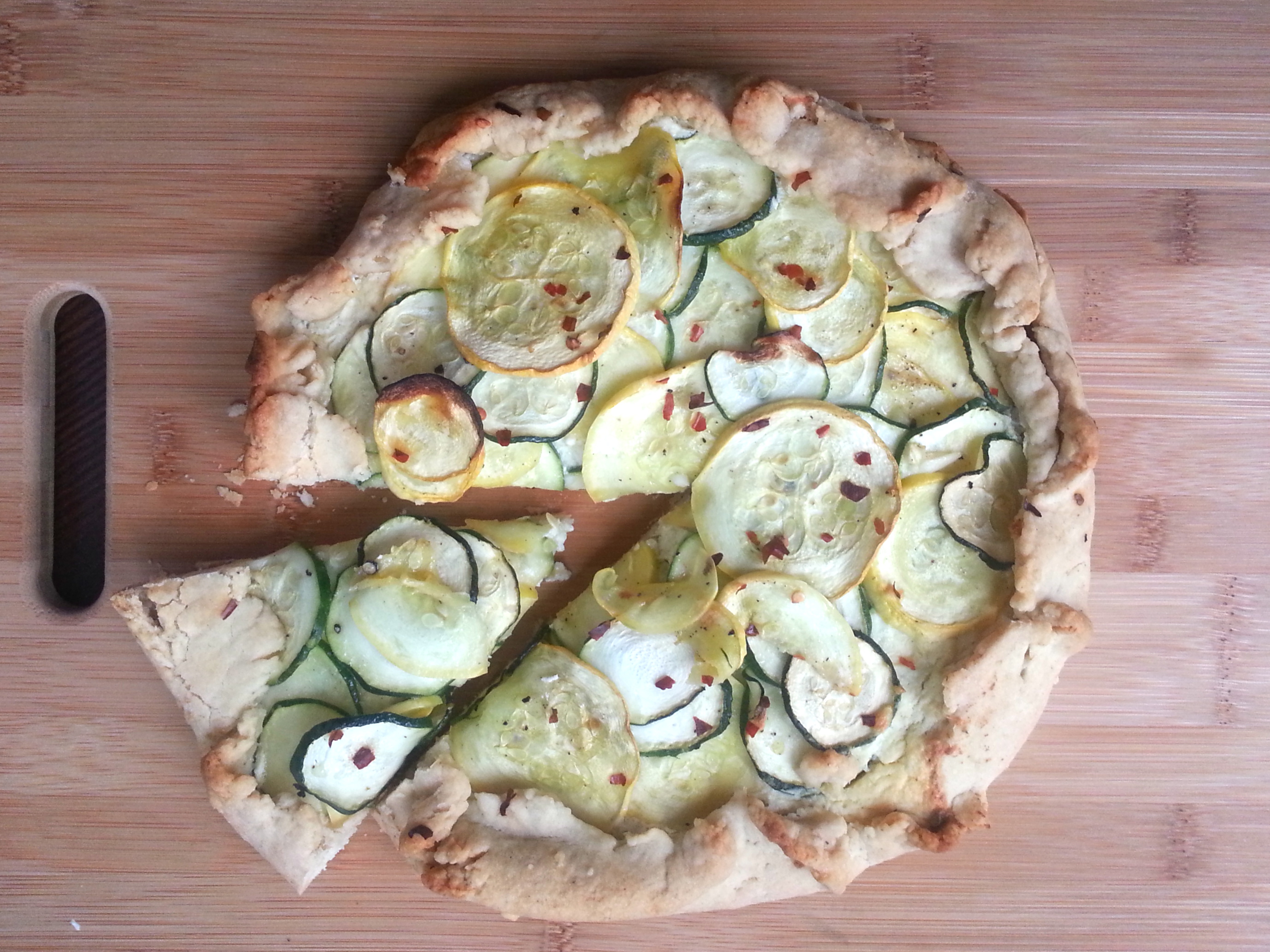
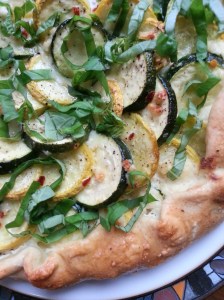
squash galette

I had this recipe on my counter to try for two weeks.  I was dying to make it for some reason, and today was the day dammit.  It was miserable outside, so getting the stove or the oven going is always a good remedy.  I don’t know if I was drawn to recipe’s simplicity, or the anticipation to devour it because of its resemblance to pizza.  Whichever it was, it doesn’t matter.  This dish is perfection.  Period.  Next time I make this, I think I will pair it with a tomato coulis.  Ok, so that sounds fancy and I’m not fancy.   I actually had made the coulis a few weeks ago for the first time, as part of an artichoke appetizer, and I couldn’t get enough of it.  I think because of the obvious ingredient marriage (tomatoes, basil, garlic), it would send this dish over the top.  Even the kids walked in from school today and wanted to know what smelled so good.  They thought I had made cookies, which makes no sense, but hey – ricotta zucchini cookies could be the next big thing…

galette

squash and ricotta galette (adapted from Cooking Light July 2012)

1 2/3  cups all-purpose flour
1/2  tsp. salt
1/2  tsp. baking powder
1/3  cup plus 1 TB extra-virgin olive oil, divided
1/4  cup water
1  medium zucchini, cut crosswise into 1/4 inch thick rounds
1  large yellow squash, cut crosswise into 1/4 inch thick rounds
2  garlic cloves, minced
pinch crushed red pepper
3/4  cup part-skim ricotta cheese
1/2  cup fresh grated Parmesan cheese
2  tsp. fresh thyme, chopped
1/2  tsp. lemon rind, grated
1  tsp. fresh lemon juice
1/4  tsp. fresh ground pepper
1  large egg, lightly beaten
1/4  tsp. kosher salt
1  large egg white
1/4  cup fresh basil leaves, chopped

olive oil

get started on dough:

Combine flour, salt and baking powder in a food processor.  Pulse two times to combine.  Combine 1/3 cup oil and 1/4 cup water in a small measuring cup.  With processor on, slowly add the oil and water mixture through the food chute.  Process until dough is crumbly but holds together.  Turn dough out onto a lightly floured surface.  Knead one minute and add additional flour if necessary in order to prevent the dough from sticking.  Gently press dough into a 5 inch disk and wrap in plastic wrap.  Chill for 30 minutes.

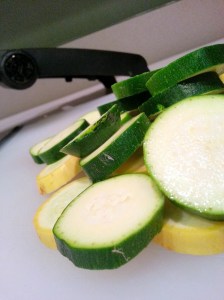
sliced squash

get started on the filling:

Combine remaining 1 tablespoon of olive oil, zucchini, squash,garlic and crushed red pepper in a large bowl.  Stir gently to coat completely.  Combine ricotta and next 7 ingredients (through salt) in a medium bowl, stirring to combine.

assembled galettegalette

assemble:

Preheat oven to 400.  Unwrap dough, and roll into a 14 inch circle on a lightly floured surface.  Place dough on a baking sheet lined with parchment paper.  Spread ricotta mixture over dough, leaving a 2 inch border.  Arrange zucchini and yellow squash alternately, slightly overlapping, in a circular pattern.  Sprinkle with kosher salt and fresh ground pepper.  Fold edges of dough toward center pressing gently to seal (dough will only partially cover squash).  In a small bowl, whisk together 1 teaspoon of water and egg white.  Brush dough edges with egg white mixture.  Bake at 400 for 40 minutes or until golden brown.  Cool 5 minutes and sprinkle with basil.  Cool an additional 15 minutes.  Cut into 6 wedges.

galette with basilslice

note:  serves six

shiitake pot stickers


shiitake pot stickers

I’m very blonde.  I am not talking about L’Oreal Preference shade 92 natural blonde (much to the dismay of my hairdresser, that box does get purchased from time to time – and used – usually when I am bored).  I am speaking about the fact that I will oftentimes neglect to purchase the main ingredient of a meal or something that is at the least, integral, to a dish.  These were supposed to be pork pot stickers, but I came home with everything but the pork.  I can’t tell you the amount of times I pay at the cashier and as I’m wheeling out of the store, realize I didn’t buy the fish for the tacos, or for that matter the tacos.  So I am THAT woman, with a cart full of bagged groceries, heading back to get what I forgot, worrying that people think I’m shoplifting tilapia.  My husband just shakes his head when I tell him.  I could even have the list with me, and if I don’t write it in the way I shop the aisles, you can kiss something on the list good-bye.  We have just learned to live with the occasional menu change or the task of going through the cashier line twice.  I was really looking forward to making these because it is something the kids like too, so I had to improvise – no going back to the store.  Not too hard to do with a dumpling actually, so I was in the clear….this time.
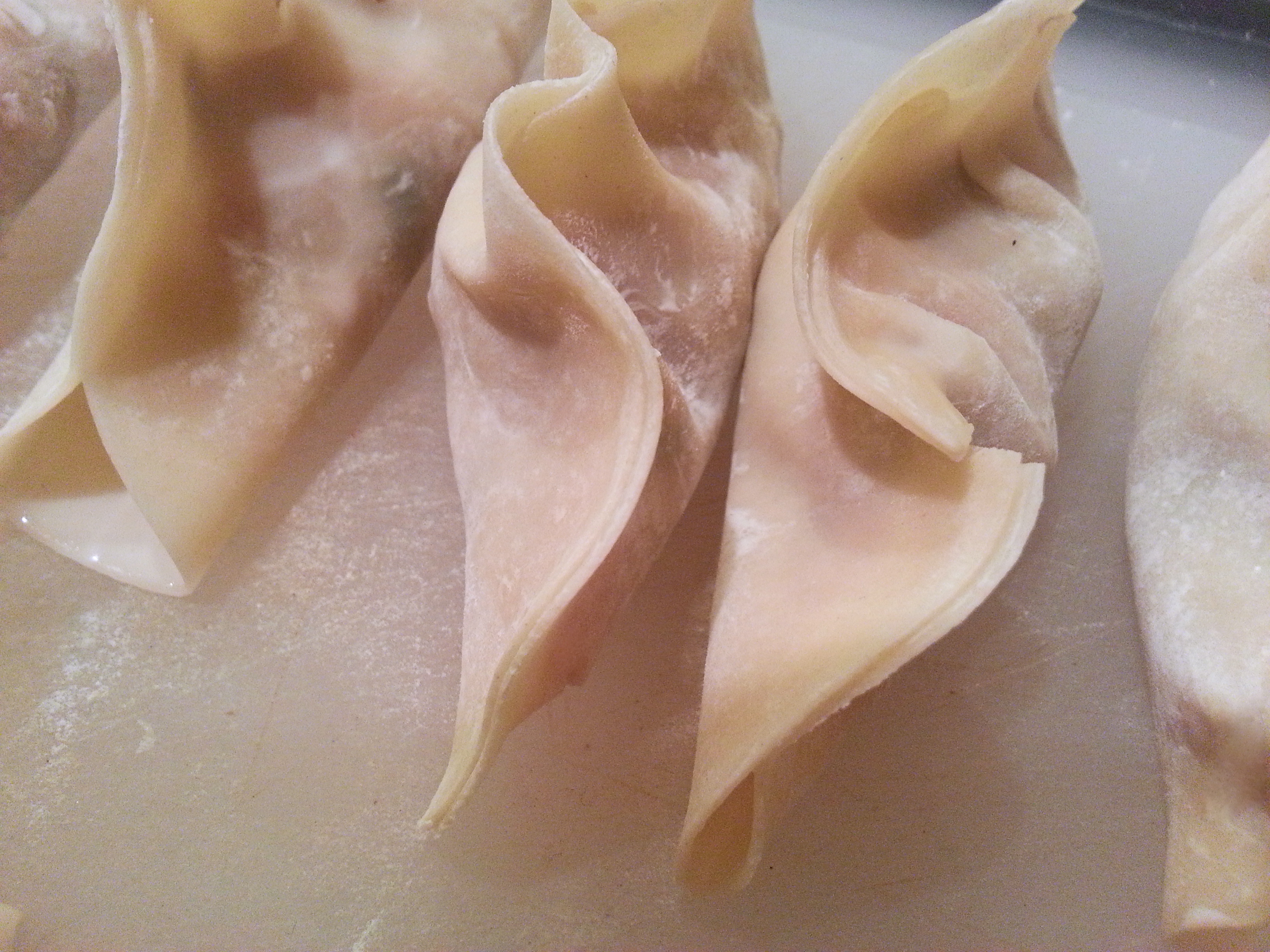
I have made a variety of dumplings and if you are sitting there, folding up 30+ little guys, the last thing you want to see is them coming unsealed in the pan.  Make sure you don’t skimp on the water and that you seal the edges well.  I decided to try the gyoza skins because they are round, and found that they were easier to fold up and crimp than the square wonton wrappers.  These came out perfectly, and tasted great even without the fatty pork.  I did make the mistake of storing extra pot stickers in a glass container without considering the fact that they would stick to one another and make one giant dumpling.  So with the mini victories come the defeats.  I dealt with it and moved on.

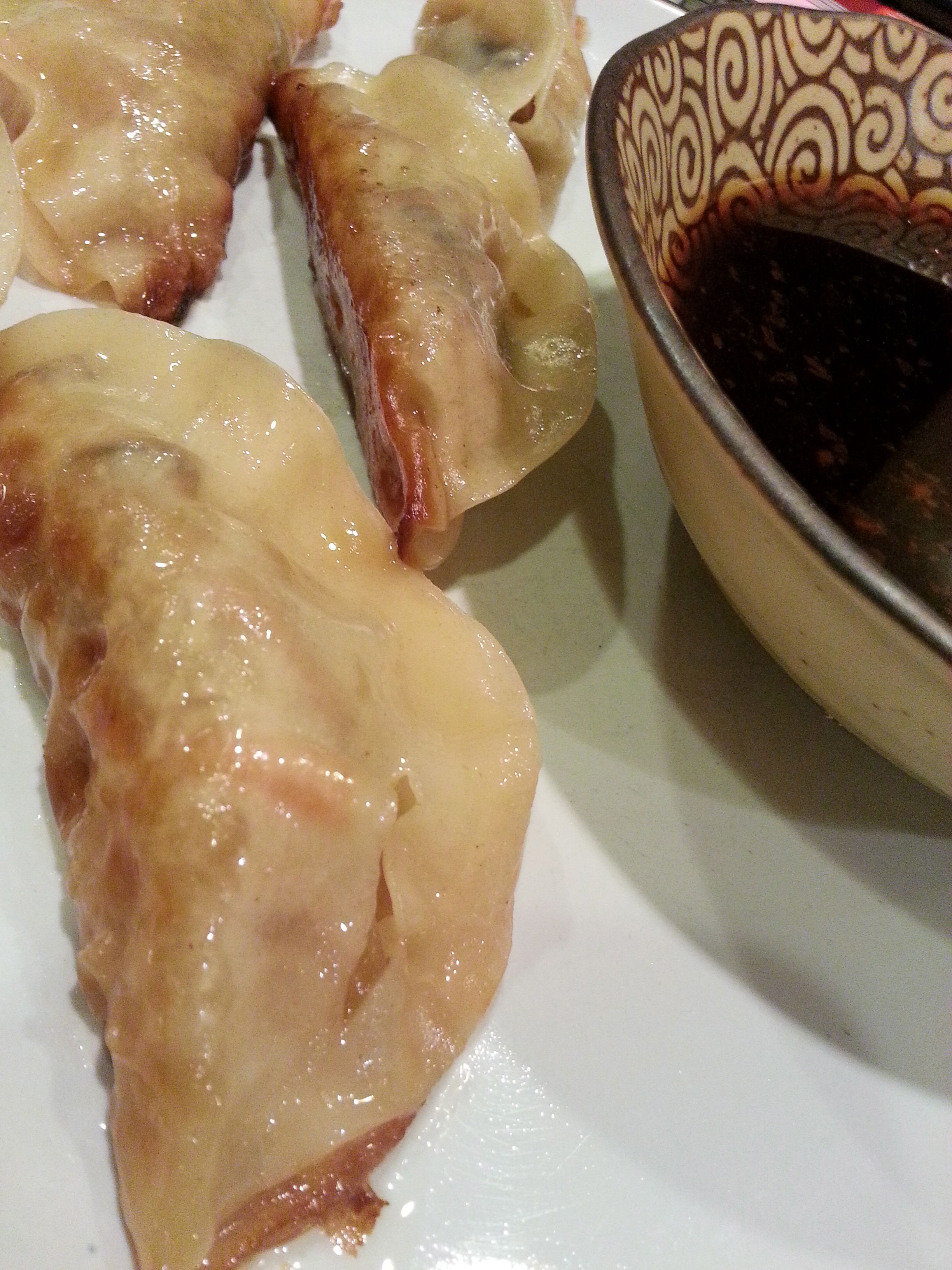
shiitake pot stickers (sans the pork)

Peanut oil
8  oz shiitake mushrooms, stemmed and sliced
8  oz white button mushrooms, trimmed and sliced
4  TB low-sodium soy sauce, divided
2  tsp sesame oil, divided
1/3  cup green onions
2  garlic cloves, minced
1  2 inch piece of ginger, minced
1  jalapeño, seeded and minced
1  10 oz pkg. cabbage slaw mix
30  gyoza skins
water

dipping sauce:

4  TB water
4  TB soy sauce
4  TB rice vinegar
1  tsp dark sesame oil
2  garlic cloves, minced

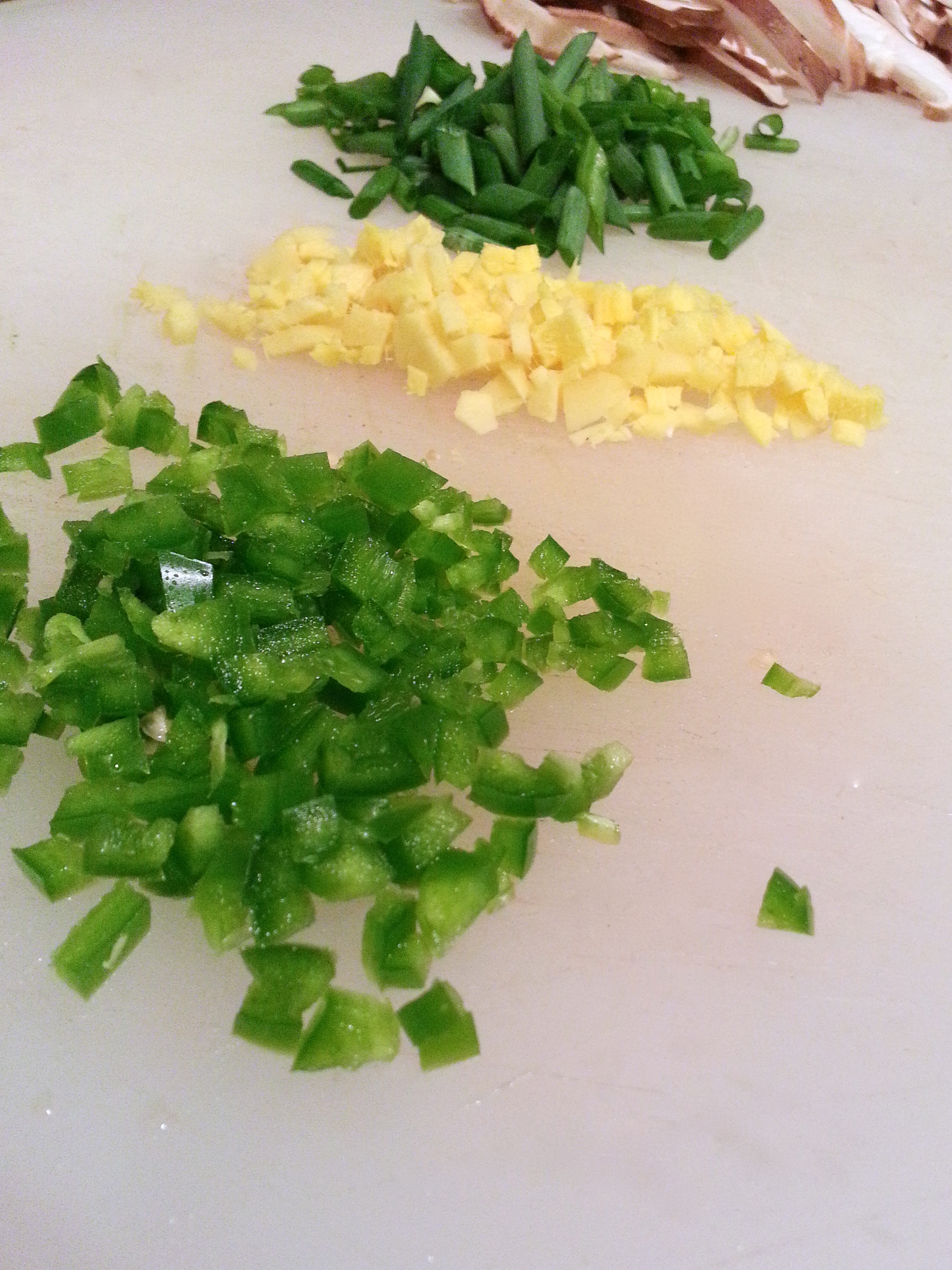
jalapeño ginger scallions

get started on the pot stickers:

Heat a large non-stick pan over medium-high heat.  Add a tablespoon of peanut oil.  Add in the two kinds of mushrooms and cook until mushrooms are softened, about 4 minutes.  Add 2 TB of the soy sauce and 1 tsp of the sesame oil, cook for 30 seconds.  Add onions, garlic, ginger and jalapeño and cook for another 2 minutes until flavors combine.  Stir in coleslaw and cook for 2 minutes until cabbage wilts, stirring frequently.  Taste mixture and add in remaining soy sauce and sesame oil if needed.  Remove from heat and cool slightly.  While mixture cools, combine ingredients for the dipping sauce, stirring well with a whisk.

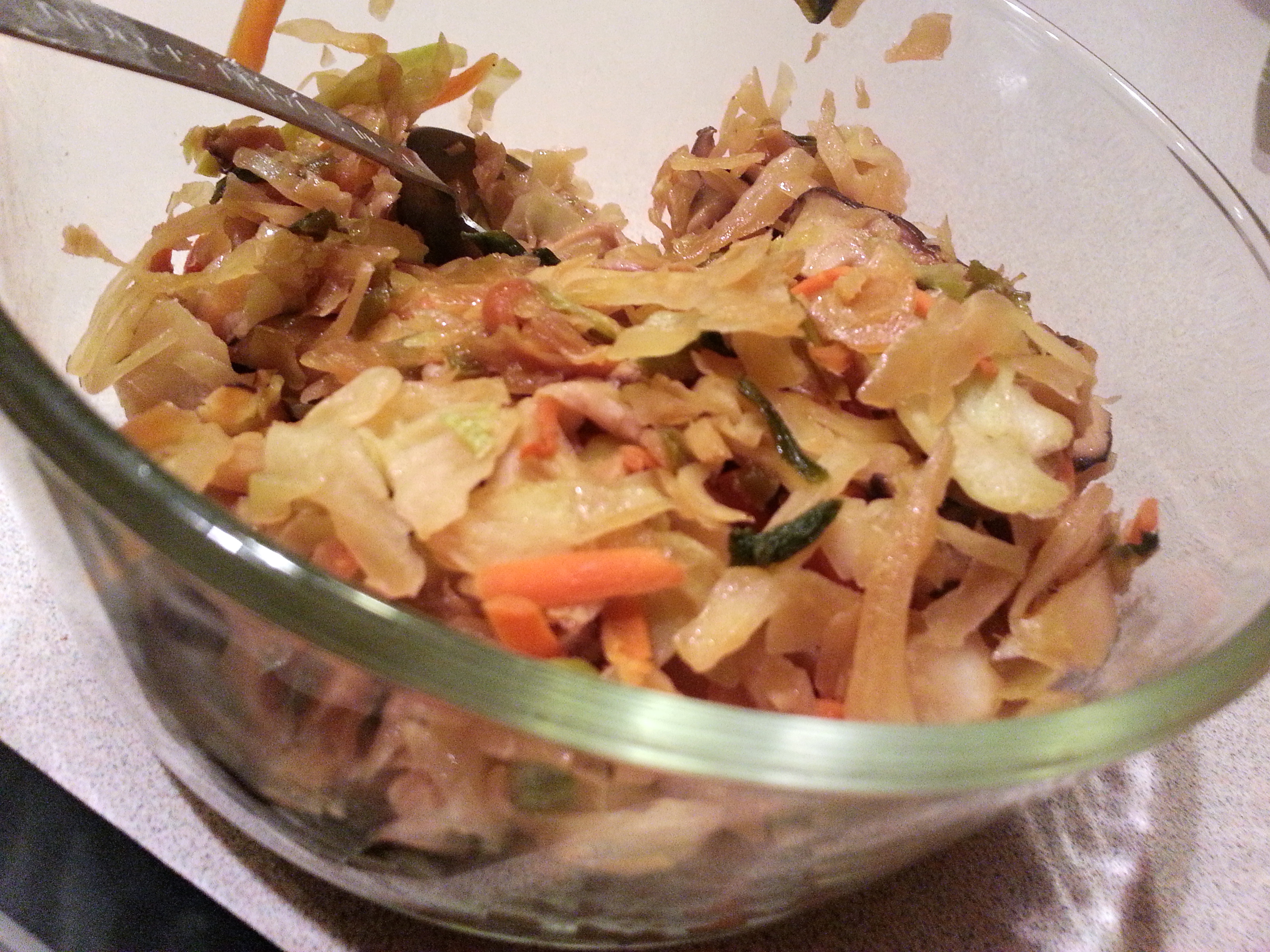
mushroom mixtureassembly line

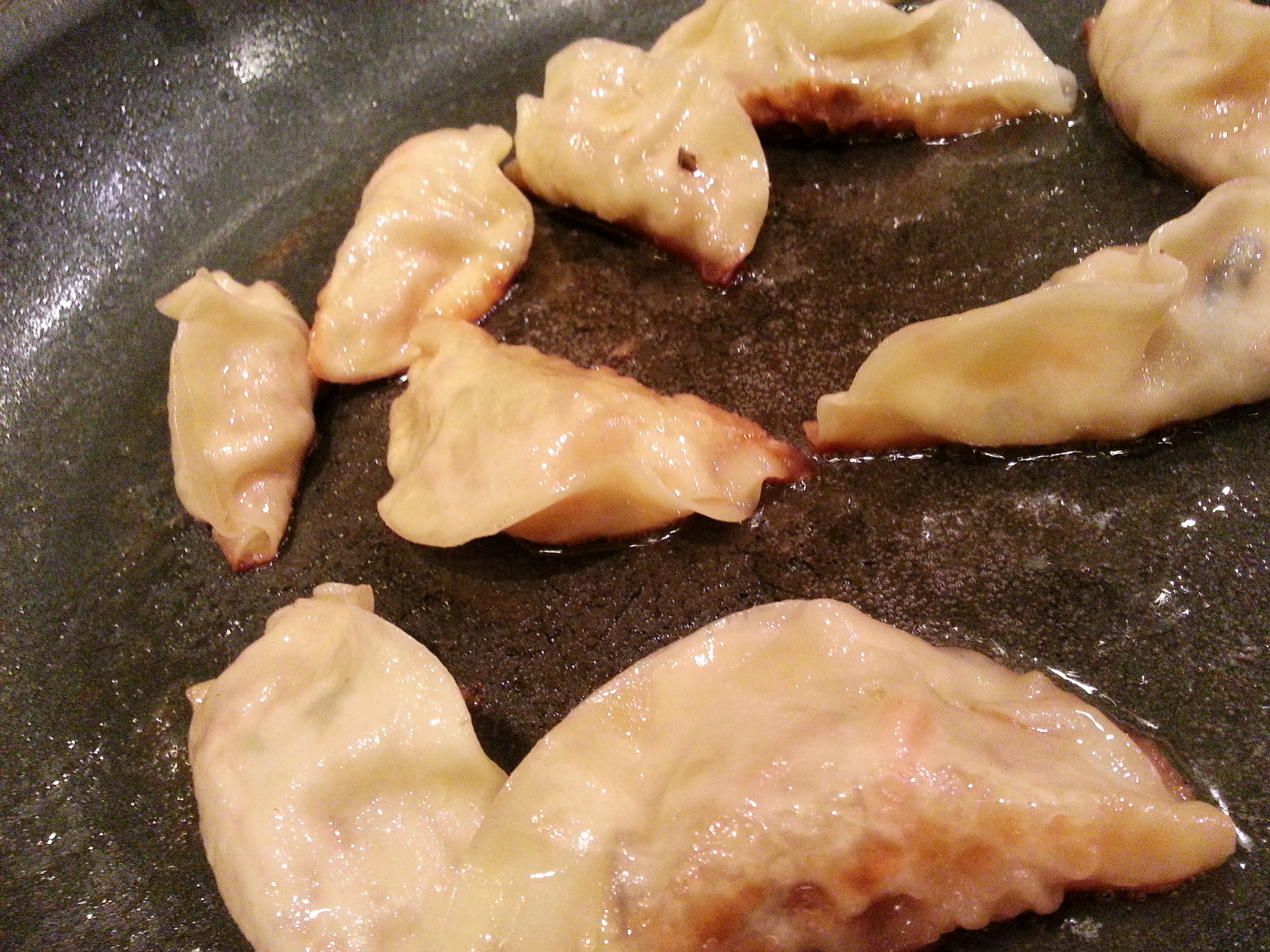
Working with one gyoza skin at a time (cover remaining with a damp towel to prevent drying), lay out 8-10 skins on your board.  Spoon 1 TB mushroom mixture in the center of each skin.  Moisten edges of the skins with water.  Fold in half, pinching and edges to seal.  Heat peanut oil in the same large non-stick pan over medium heat.  Arrange pot stickers in the pan in a single layer.  Cook 2 minutes or until browned on the bottom (or a side).  Add one cup of water to the pan and cover.  Continue to cook the pot stickers another 4 minutes.  Uncover and cook until liquid evaporates, about 2 minutes.  Place dumplings on a plate and cover to keep moist and warm.  Continue making the remaining dumplings.  Serve these immediately with dipping sauce…..and hot chili sauce of course!

pot stickers waitingcooking the pot stickers